
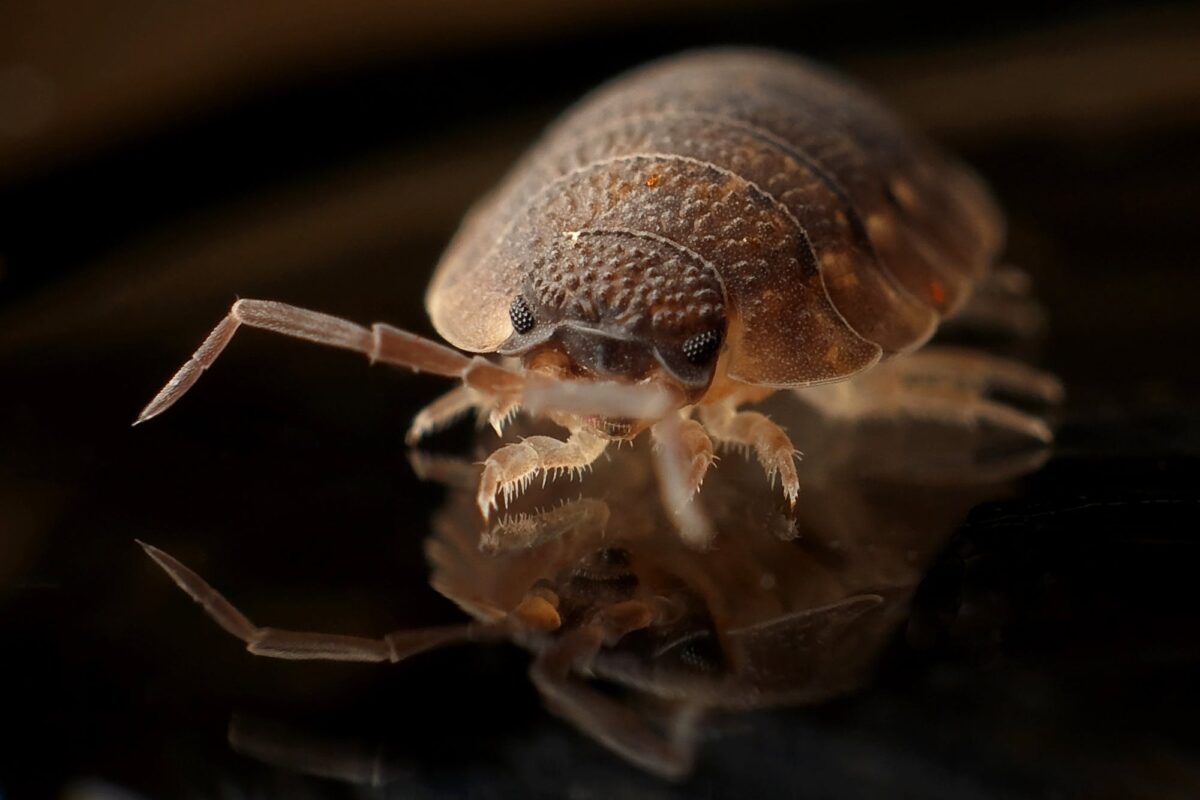
Dealing with bed bugs requires a comprehensive and persistent strategy to ensure effective elimination and prevent future infestations. In this in-depth guide, we’ll explore a range of safe and practical bed bug management strategies, empowering you to reclaim a peaceful sleep environment.
1. Thorough Inspection: Initiate the battle against bed bugs with a meticulous inspection. Regularly scrutinize your sleeping area for signs of bed bugs, including small reddish-brown bugs, tiny white eggs, or dark fecal spots on bedding. Early detection allows for swift and targeted action.
2. Launder and Heat Treat Bedding: Combat bed bugs by laundering all bedding in hot water. Additionally, heat drying on high for at least 30 minutes can effectively eliminate bed bugs and their eggs. This dual approach ensures a thorough sanitation process.
3. Vacuuming with HEPA Filter: Utilize a vacuum equipped with a high-efficiency particulate air (HEPA) filter to comprehensively clean your mattress, box spring, and surrounding areas. Pay close attention to seams, crevices, and any cracks in furniture where bed bugs may hide.
4. Bed Bug-Proof Encasements: Invest in bed bug-proof mattress and pillow encasements. These specialized covers not only create a protective barrier, preventing bed bugs from infesting your mattress and pillows, but they also trap any existing pests inside.
5. Decluttering Your Living Space: Minimize hiding spots for bed bugs by decluttering your living space. Reduce the number of items stored under the bed and in the bedroom, making it more challenging for bed bugs to find harborage.
6. Steam Cleaning: Harness the power of steam to eliminate bed bugs and their eggs. Steam cleaning is effective on mattresses, furniture, and carpets, reaching temperatures lethal to bed bugs while minimizing the use of chemical agents.
7. Diatomaceous Earth Application: Consider the application of diatomaceous earth, a natural and non-toxic powder, around infested areas. This substance damages the exoskeleton of bed bugs, leading to dehydration and eventual elimination.
8. Essential Oils as Repellents: Leverage the repellent properties of certain essential oils, such as tea tree oil and lavender oil. Create a spray by mixing a few drops with water and apply it to areas prone to bed bug activity, providing a natural deterrent.
9. Professional Pest Control Services: For severe infestations or instances where home remedies prove insufficient, consult with professional pest control services. Experienced exterminators possess the knowledge and tools to effectively eliminate bed bugs and provide ongoing prevention strategies.
10. Regular Post-Treatment Inspections: Maintain vigilance even after treatment. Conduct regular inspections to ensure that bed bugs have been successfully eliminated, preventing the risk of reinfestations.
11. Caution with Secondhand Furniture: Exercise caution when acquiring secondhand furniture. Thoroughly inspect any used items for signs of bed bugs before introducing them into your home, preventing potential infestations.
12. Traveling Precautions: Take proactive measures when traveling to avoid bringing bed bugs home. Conduct thorough checks of hotel rooms for signs of infestations, and employ protective measures such as luggage encasements.
13. Continuous Education and Awareness: Stay informed about bed bug prevention and management strategies. Regularly update your knowledge on how to identify, prevent, and address bed bug issues for effective control.
14. Professional Consultation: When in doubt, seek guidance from pest control professionals. They can offer expert advice on effective strategies and, if necessary, conduct thorough inspections to assess the extent of the infestation.
By adopting this comprehensive and multi-faceted approach to bed bug management, you can take proactive steps to eliminate these pests and create a comfortable, pest-free sleeping environment. Remember that persistence and thoroughness are key when dealing with bed bug infestations.
