
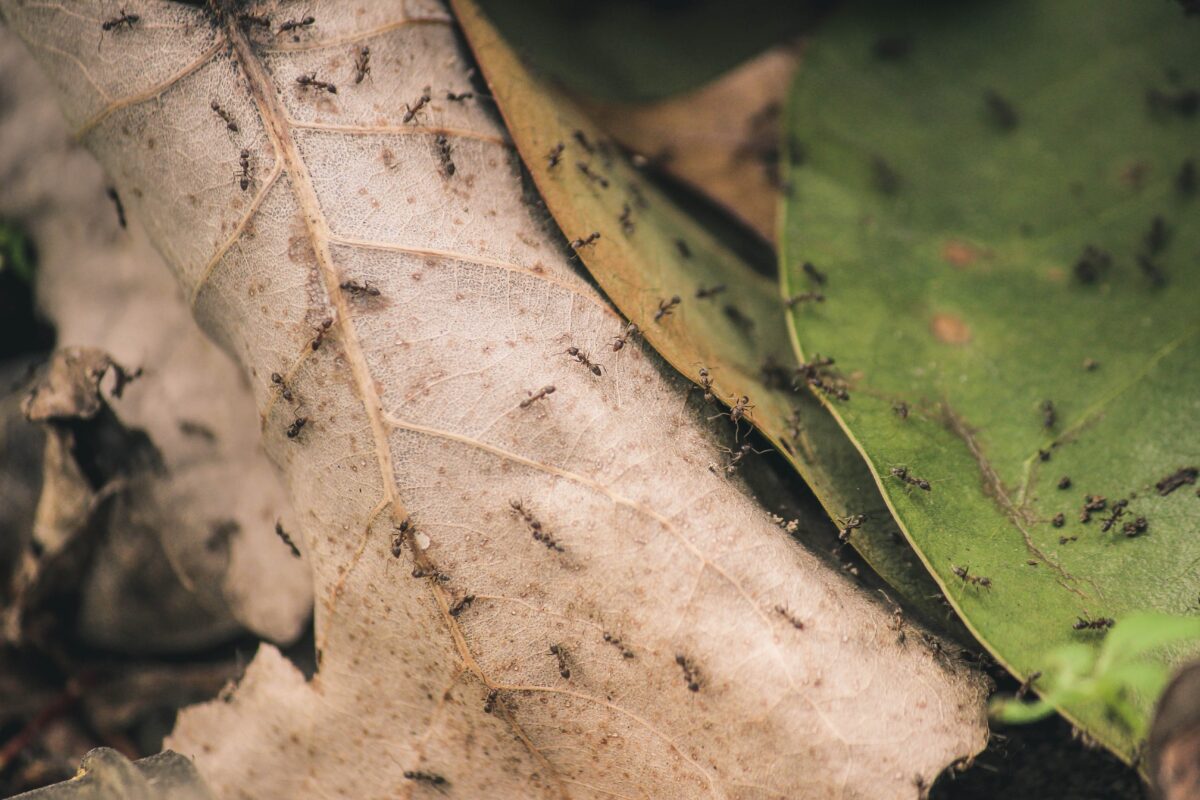
Maintaining a bug-free home environment is crucial for your comfort and well-being. In this comprehensive guide, we’ll explore effective pest control strategies to help you keep common household pests at bay and ensure a pest-free living space.
1. Regular Cleaning: A clean home is less attractive to pests. Regularly vacuum floors, sweep, and mop surfaces, and wipe down countertops. Pay special attention to areas where crumbs and spills accumulate.
2. Proper Food Storage: Store food in airtight containers to prevent attracting pests like ants and cockroaches. Don’t leave food out overnight, and promptly clean up crumbs and spills.
3. Seal Entry Points: Inspect your home for potential entry points for pests. Seal cracks, gaps, and openings in windows, doors, and foundations. This prevents insects from finding easy access to your living spaces.
4. Remove Standing Water: Eliminate standing water in and around your home. Pests, such as mosquitoes and flies, breed in stagnant water. Fix leaks promptly, empty trays under houseplants, and ensure proper drainage.
5. Trim Vegetation: Keep outdoor vegetation well-trimmed and away from your home. Overhanging branches and dense landscaping can serve as highways for pests to enter your home.
6. Use Natural Repellents: Certain scents act as natural repellents for pests. Essential oils like peppermint, citronella, and eucalyptus can be used to deter insects. Mix these oils with water and spray in bug-prone areas.
7. Diatomaceous Earth: Diatomaceous earth is a non-toxic powder that can be sprinkled in areas where insects are present. It damages the exoskeletons of pests, leading to their demise. Use caution when applying and avoid inhalation.
8. Boric Acid: Boric acid is an effective and low-toxicity insecticide. Sprinkle it in areas where bugs frequent, but keep it out of reach of pets and children.
9. Sticky Traps: For crawling insects like spiders and roaches, use sticky traps. Place these traps in corners, along baseboards, and in areas where pests are commonly spotted.
10. Professional Pest Control: Consider hiring professional pest control services for more severe infestations. Pest control experts can assess the extent of the problem and apply targeted treatments for effective pest elimination.
11. Regular Inspections: Conduct regular inspections of your home, both indoors and outdoors. Look for signs of pest activity, such as droppings, nests, or damaged wood. Early detection allows for timely intervention.
12. Integrated Pest Management (IPM): Implement an Integrated Pest Management approach, combining multiple strategies for long-term pest control. This may include cultural, physical, biological, and chemical control methods.
13. Pest-Resistant Plants: If you have a garden, choose plants that are naturally resistant to pests. This can help minimize the risk of attracting insects to your outdoor space.
14. Mindful Waste Management: Dispose of household waste regularly and in sealed containers. Keep trash bins clean and secure to avoid attracting pests like flies and rodents.
By incorporating these effective pest control strategies into your routine, you can create a bug-free home environment. Consistency and a proactive approach are key to preventing and managing pest infestations, ensuring a comfortable and healthy living space for you and your family.
