
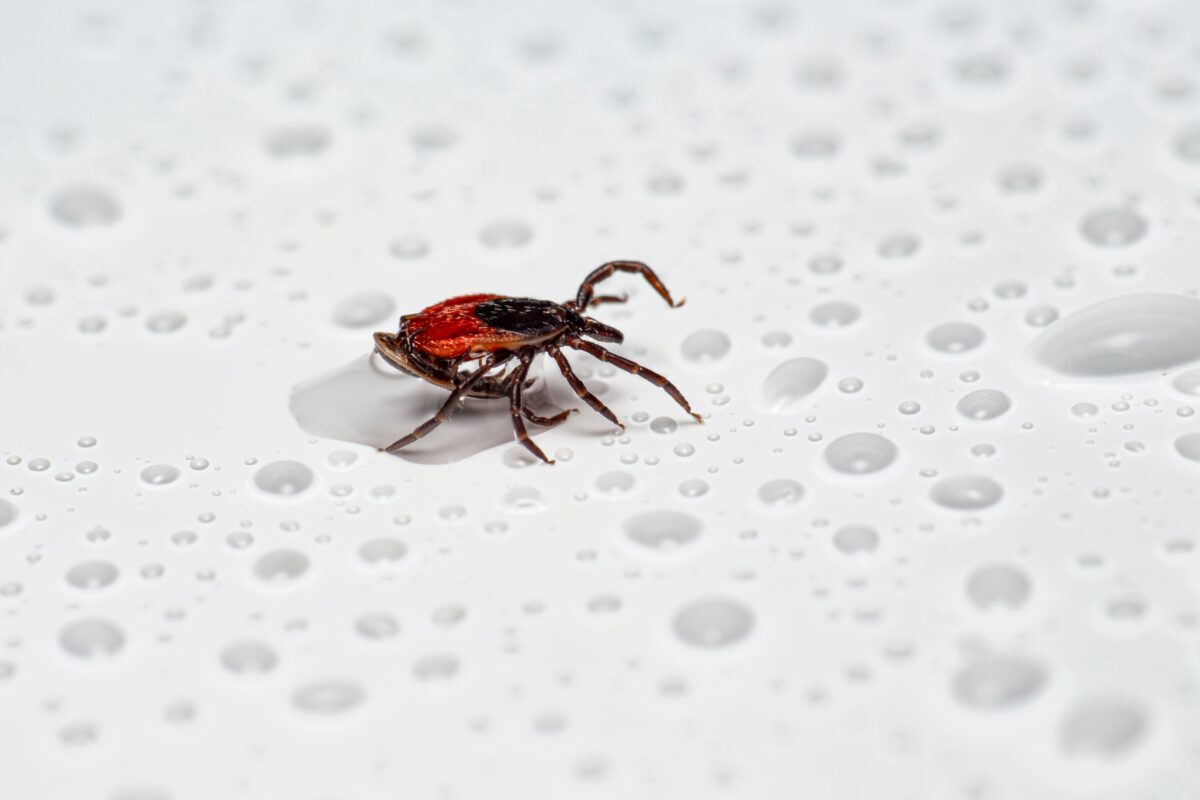
Dust mites, though microscopic, can have a significant impact on indoor air quality and human health. In this in-depth guide, we’ll delve into comprehensive strategies for both preventing and effectively eradicating dust mites, allowing you to create a healthier and more comfortable living environment for you and your family.
1. Establish a Rigorous Cleaning Routine: Initiate a consistent and thorough cleaning routine throughout your home. Regularly vacuum carpets, rugs, and upholstery using a vacuum cleaner equipped with a high-efficiency particulate air (HEPA) filter. This helps minimize the presence of dust mites and their allergens.
2. Frequent Washing of Bedding: Prioritize the regular washing of bedding items, including sheets, pillowcases, and blankets, in hot water. The elevated temperatures effectively kill dust mites and remove potential allergens, contributing to a cleaner sleeping environment.
3. Invest in Allergen-Proof Covers: Consider investing in allergen-proof mattress and pillow covers. These covers act as a barrier, preventing dust mites from colonizing your mattress and pillows. Regularly wash and maintain these covers to ensure their effectiveness.
4. Opt for Hypoallergenic Bedding: Choose bedding made from hypoallergenic materials, such as synthetic fibers. Avoid down-filled pillows and comforters, as they can create a conducive environment for dust mites to thrive.
5. Control Indoor Humidity Levels: Maintain optimal indoor humidity levels below 50%. Dust mites flourish in humid conditions, so employing dehumidifiers and ensuring proper ventilation can help control their population.
6. Utilize Steam Cleaning Techniques: Incorporate steam cleaning into your cleaning routine for carpets and upholstered furniture. The high temperatures produced by steam effectively eliminate dust mites and allergens, contributing to a healthier indoor environment.
7. Freeze Soft Items: If applicable, freeze soft items like stuffed animals and toys overnight. The extreme temperatures during freezing can assist in eradicating dust mites. Always place items in a sealed plastic bag before placing them in the freezer.
8. Adopt Damp Dusting Practices: When dusting surfaces, employ a damp cloth rather than a dry one. Damp dusting captures and removes dust mites more effectively, reducing their presence in your living spaces.
9. Choose Washable Window Coverings: Opt for washable curtains and blinds to minimize dust mites in window coverings. Regular laundering helps reduce allergens and contributes to a cleaner indoor environment.
10. Maintain Minimal Bedroom Clutter: Minimize clutter in bedrooms and avoid overstuffing these spaces. Dust mites thrive in areas with accumulated dust, so maintaining open, well-ventilated spaces helps control their presence.
11. Consider Flooring Options: Evaluate flooring options and consider replacing carpets with hard flooring like wood or tile. Carpets can serve as a favorable habitat for dust mites, whereas hard flooring is easier to clean and less conducive to their proliferation.
12. Install HEPA Filters in HVAC Systems: Enhance your HVAC system with high-efficiency particulate air (HEPA) filters. These filters effectively trap airborne dust mite particles, improving overall indoor air quality.
13. Regularly Vacuum and Clean Mattresses: Incorporate regular vacuuming of mattresses using a HEPA-filtered vacuum cleaner. Wipe down mattresses with a damp cloth to eliminate dust mite debris and maintain a clean sleeping environment.
14. Explore Allergen-Reducing Products: Consider the use of allergen-reducing products such as air purifiers and acaricides designed to control dust mites. Consult with professionals to identify effective products tailored to your specific situation and needs.
By diligently implementing these comprehensive strategies, you can significantly reduce dust mite populations in your home, fostering a healthier and more allergen-free living space. Consistency in cleaning practices and the maintenance of a low-humidity environment are crucial components of successful dust mite prevention and eradication.
